admin_smile, Author at Holistic Dentist, Biological Dentist | SmileHaven Dental Center - Page 2 of 7

How Acidic Foods Affect Your Teeth

Your teeth are made up of three main layers: the enamel, the dentin, and the pulp. The enamel is the outermost layer, and it’s the hardest substance in your body. It protects the dentin, which is the layer below the enamel. The pulp is the innermost layer, and it contains the nerves and blood vessels that keep your teeth alive.

Acidic foods and drinks can damage your teeth by eroding the enamel. This is a process called acid erosion. When you eat or drink something acidic, the acid lowers the pH level in your mouth. This makes the enamel more susceptible to damage. The longer the acid is in contact with your teeth, the more damage it can cause.

Some of the most acidic foods and drinks include:

  • Citrus fruits and juices
  • Tomatoes and tomato-based products
  • Sports drinks
  • Carbonated beverages
  • Vinegar
  • Wine
  • Sour candy

If you eat or drink acidic foods or drinks on a regular basis, you’re more likely to develop acid erosion. The symptoms of acid erosion can include:

  • Tooth sensitivity
  • Discoloration of the teeth
  • Dents or chips in the teeth
  • Cracks in the teeth

If you’re concerned about the effects of acidic foods and drinks on your teeth, there are a few things you can do to protect them:

  • Limit your intake of acidic foods and drinks.
  • Eat acidic foods and drinks as part of a meal, not by themselves. This will help to dilute the acid and reduce its impact on your teeth.
  • Drink water after eating or drinking acidic foods or drinks. This will help to neutralize the acid and protect your teeth.
  • Brush your teeth twice a day with a fluoride toothpaste. Fluoride helps to strengthen the enamel and make it more resistant to acid damage.
  • See your dentist for regular checkups. Your dentist can check for signs of acid erosion and recommend treatment if necessary.

By following these tips, you can help to protect your teeth from the harmful effects of acidic foods and drinks.

Here are some additional tips to help you reduce your risk of acid erosion:

  • Avoid sucking on ice or hard candy. This can cause the enamel to chip or break.
  • If you have a dry mouth, drink plenty of fluids to keep your mouth moist. Saliva helps to neutralize acids and protect your teeth.
  • If you grind your teeth, wear a nightguard. This will help to protect your teeth from the grinding motion, which can also damage the enamel.

By following these tips, you can help to keep your teeth healthy and strong for a lifetime.

Understanding the Benefits of Holistic Dentistry for Your Dental Health

When it comes to dental health and wellness, many people turn to traditional dentistry. However, there is another type of dental approach that prioritizes a patient’s overall physical and mental well-being. Holistic dentistry offers a more natural and patient-focused approach to dental health that emphasizes prevention and minimally invasive treatments.

What is holistic dentistry?

Holistic dentistry is a philosophy of dental care that takes a comprehensive approach to oral health. Holistic dentists believe that the mouth is a reflection of the overall health of the body, and that by addressing the root cause of dental problems, they can improve overall health and well-being.

Holistic dentists use a variety of techniques to improve oral health, including:

  • Prevention: Holistic dentists focus on preventing dental problems from occurring in the first place. They do this by educating patients about proper oral hygiene, diet, and lifestyle habits.
  • Minimally invasive treatment: Holistic dentists use minimally invasive treatment whenever possible. This means that they will only use treatment that is absolutely necessary, and that will cause the least amount of damage to the teeth and gums.
  • Natural materials: Holistic dentists use natural materials whenever possible. This means that they will avoid using mercury fillings, metal crowns, and other harmful materials.

Benefits of holistic dentistry

There are many benefits to holistic dentistry. Some of the most common benefits include:

  • Improved oral health: Holistic dentists use a variety of techniques to improve oral health, including prevention, minimally invasive treatment, and natural materials. This can lead to a healthier mouth, fewer dental problems, and a more confident smile.
  • Improved overall health: Holistic dentists believe that the mouth is a reflection of the overall health of the body. By addressing the root cause of dental problems, they can improve overall health and well-being. Some of the ways that holistic dentistry can improve overall health include:
    • Reduced stress: Stress can contribute to a variety of health problems, including dental problems. Holistic dentists can help to reduce stress by providing a relaxing and supportive environment for their patients.
    • Improved sleep: Sleep is essential for overall health. Holistic dentists can help to improve sleep by addressing any dental problems that may be causing pain or discomfort.
    • Increased energy: Holistic dentists can help to increase energy by addressing any nutritional deficiencies that may be contributing to fatigue.
  • Increased self-confidence: Having a healthy smile can boost self-confidence. Holistic dentists can help patients to achieve a healthy smile by providing them with the care they need to improve their oral health.

If you are considering holistic dentistry

If you are considering holistic dentistry, there are a few things you should keep in mind:

  • Find a qualified holistic dentist: Not all dentists are created equal. It is important to find a dentist who is qualified to provide holistic dental care. You can find a qualified holistic dentist by asking your friends and family for recommendations, or by searching online.
  • Be prepared to pay more: Holistic dental care can be more expensive than traditional dental care. However, the long-term benefits of holistic dentistry, such as improved oral health and overall health, may be worth the extra cost.
  • Be patient: Holistic dentistry is a long-term approach to dental care. It may take some time to see the full benefits of holistic dentistry. However, with patience and commitment, you can achieve a healthier mouth and a healthier body.

If you are looking for a more natural and holistic way to promote your dental health, you might want to consider visiting a holistic dentist for your dental needs. A healthy mouth is a reflection of a healthy body, and holistic dentistry is a natural way to achieve both.

What You Need to Know About Ozone Therapy for Teeth

Ozone therapy, a dental treatment that has gained popularity in recent years, offers numerous benefits for those seeking a natural approach to oral care. By utilizing ozone gas, this therapy effectively disinfects and promotes healing in teeth, gums, and other oral areas. One dental practice embracing this innovative approach is SmileHaven Dental Center in La Mesa, CA. Let’s delve into the advantages of ozone therapy.

The Benefits of Ozone Therapy

  1. Effective Antiseptic: Ozone gas acts as a potent antiseptic, eradicating harmful bacteria, viruses, and fungi that contribute to dental diseases. By reducing the risk of cavities and gum disease, ozone therapy enhances oral health.
  2. Accelerates Healing: Ozone therapy facilitates the healing process for existing dental problems, such as tooth decay, periodontal disease, and root canal infections. This treatment enables quick and effective improvement in oral health.
  3. Anti-Inflammatory Properties: Ozone gas is believed to possess anti-inflammatory properties, which can alleviate pain associated with toothaches and gum inflammation, providing relief from oral health issues.
  4. Synergy with Other Treatments: Ozone therapy can be used in conjunction with fluoride or sealants to further shield teeth against bacterial damage, reinforcing the protection offered by additional treatments.

Ozone Therapy for Oral Healing

Due to its numerous advantages over traditional treatments like antibiotics or surgery, ozone therapy has gained popularity in holistic dentistry practices worldwide. Its effectiveness as an antiseptic and its ability to expedite healing for conditions like cavities and periodontal disease make it a preferred option. Moreover, ozone therapy is minimally invasive, requiring no sedation or anesthesia, which appeals to those seeking natural alternatives. Compared to other oral procedures like root canal treatments or extractions, ozone therapy is relatively painless and low-risk.

As an effective tool in the field of green dentistry, ozone therapy has established itself in La Mesa, CA, and beyond. Its antiseptic properties are ideal for preventing and treating dental diseases, while its minimally invasive nature suits those who prefer alternative approaches. Additionally, the swift healing times associated with ozone therapy provide quick relief from oral health issues, without the need for complex procedures or lengthy recovery periods. If you’re interested in holistic dentistry options in San Diego, schedule an appointment today and inquire about ozone therapy.

Common Dental Bridge Problems & Solutions

If you currently have a dental bridge, it is essential that you know how to deal with everyday problems to ensure the longevity of your dental and overall health. Our La Mesa dental practice, SmileHaven Dental Center is here to discuss common dental bridge issues and how to address them to maintain your smile. Contact our dentist, Dr. Stephen Chan with any questions and to schedule a consultation with our dental team.

What is a Dental Bridge?

dental bridge is a device with two outer crowns that fit over existing teeth, with one or more false teeth between them to “bridge the gap” left by a lost tooth. Bridges are an affordable and effective option to replace missing teeth. They are custom created to fit your mouth. However, because your teeth can change over time or because your bridge can become damaged, problems can occur with your bridge over time.

Dental Bridge Problems & Solutions

You will notice most dental bridge problems because of the fit and feel of your bridge. The most common issues include a loose bridge, a broken bridge, or discomfort around the bridge.

Loose Dental Bridge

One of the most common dental bridge problems is a loose bridge. A loose or unsecured dental bridge can be uncomfortable, and it may even cause damage to the surrounding teeth or gums. Some of the reasons your dental bridge may become loose include natural wear and tear over time, poor dental hygiene, tooth decay, or trauma or injury to the mouth.

If you have a loose dental bridge, calling or seeing your cosmetic dentist as soon as possible is imperative. Our La Mesa dentist, Dr. Stephen Chan will examine the bridge and determine the best treatment plan for your case. In some situations, your dentist may recommend replacing or repairing the bridge. They may adjust the bridge to ensure a proper fit in other cases.

Broken Dental Bridge

A broken dental bridge can be caused by several factors, including accidents, biting down too hard, or wear and tear over time. However, if your dental bridge breaks, acting quickly to avoid further damage or infection is essential.

If you have issues with your bridge, you should first call your dentist and explain what has happened. Then, Dr. Chan will advise you on the best course of action, including fixing the bridge or replacing it entirely. In the meantime, it’s important to avoid chewing on the side of your mouth with the broken bridge and to keep the area clean.

Relieve Discomfort with Dental Bridges

Discomfort with your dental bridge can range from mild to severe and be caused by various factors, including gum irritation, a misaligned bite, a poorly fitting bridge, or tooth decay.

To relieve discomfort, try the following tips:

  • Rinse your mouth with warm salt water
  • Take over-the-counter pain relievers
  • Use dental wax to cushion the bridge
  • Avoid hard or chewy foods

If your discomfort persists, contact your dentist to schedule an appointment. They may be able to adjust the bridge or recommend other solutions to alleviate your pain and discomfort.

Maintaining Oral Hygiene with Dental Bridges

Maintaining good oral hygiene is crucial to the health and longevity of your dental bridge. Poor dental hygiene can result in gum disease, which can cause the bridge to loosen or even fall out.

The following tips can help keep your bridge in top condition:

  • Brush twice a day
  • Use fluoride toothpaste
  • Floss daily
  • Avoid chewing hard objects like ice, candy, or pens
  • Schedule regular dental exams and teeth cleanings

By following good oral hygiene practices and caring for your bridge, you can keep your smile healthy and beautiful for years and years. If you are having trouble with your dental bridge, be sure to get in touch with our La Mesa dentist office immediately.

Contact SmileHaven Dental Center Today!

Call our SmileHaven Dental Center team at (619) 464-2801 to schedule a dental bridge consultation at our La Mesa, San Diego dental practice. We welcome patients to our office from all around San Diego County and treat them as family.

Dental Crowns: The Popular Choice for Tooth Restoration

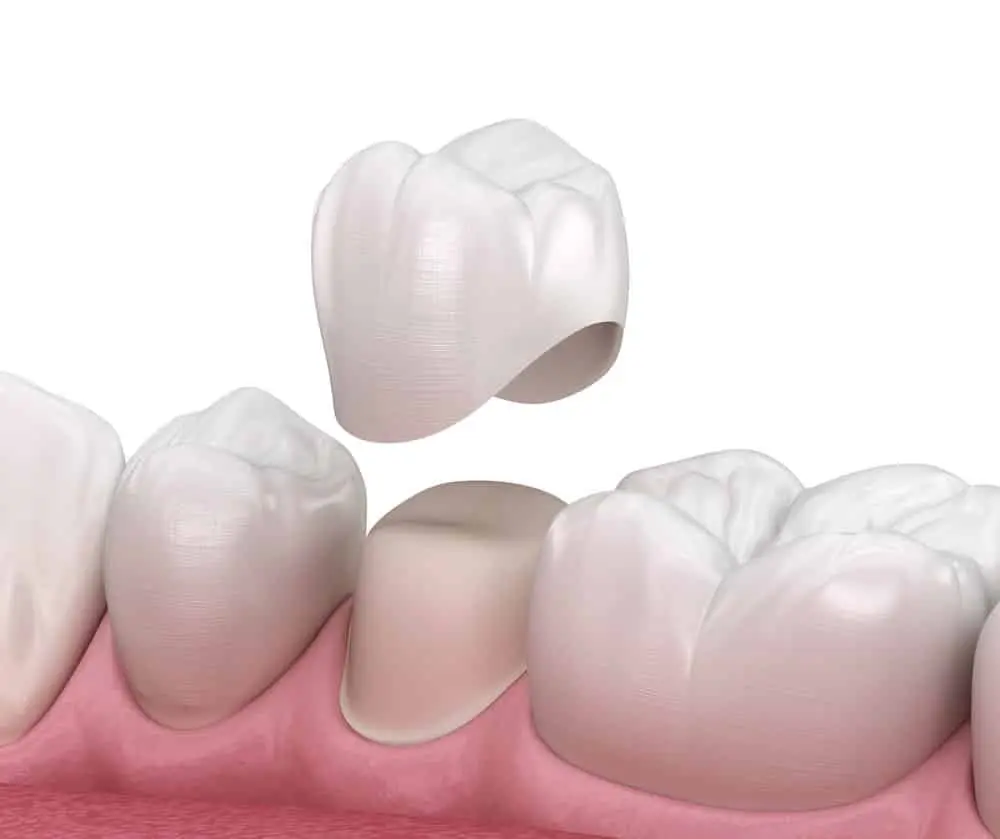
Dental crowns are a type of dental restoration that is used to cover a damaged or decayed tooth. They are made of a variety of materials, including porcelain, metal, and ceramic. Dental crowns are a popular choice for tooth restoration because they are durable, long-lasting, and can be customized to match the natural appearance of your teeth.

Why Are Dental Crowns So Popular?

There are a number of reasons why dental crowns are so popular. First, they are very durable. Dental crowns are made of strong materials that can withstand the forces of chewing and biting. This makes them a good choice for teeth that are damaged or decayed.

Second, dental crowns are long-lasting. With proper care, dental crowns can last for many years. This makes them a good investment for your oral health.

Third, dental crowns can be customized to match the natural appearance of your teeth. This is important for many people who want to improve the appearance of their smile.

Types of Crowns

There are a variety of different types of dental crowns available. The type of crown that is best for you will depend on the specific needs of your teeth.

  • Porcelain crowns are made of a ceramic material that is similar to the natural enamel of your teeth. Porcelain crowns are a good choice for people who want to improve the appearance of their smile.
  • Metal crowns are made of a metal alloy. We do not use this material for safety reasons.

How Are Dental Crowns Applied?

The process of applying a dental crown will vary depending on the type of crown that is being used. However, the general steps involved are as follows:

  1. The dentist will prepare the tooth by removing any decay or damage.
  2. The dentist will take an impression of the tooth or scan it using computer imagery.
  3. The impression will be sent to a dental laboratory, where the crown will be made.
  4. The dentist will return the crown to the patient and place it on the tooth.

The Cost of Crowns

The cost of dental crowns will vary depending on the type of crown that is being used, the location of your dentist, and your insurance coverage. However, in general, dental crowns are a relatively affordable option for tooth restoration.

If you are considering dental crowns, be sure to talk to your dentist about the best option for your needs.

5 Things To Be Aware of While Choosing a Local Dentist in La Mesa, CA

Finding a good dentist is important for your overall health and well-being. A dentist can help you maintain a healthy smile, prevent cavities and gum disease, and identify any potential dental problems early on. If you’re looking for a new dentist in La Mesa, CA, there are a few things you should keep in mind.

  1. Location: How far are you willing to travel to see your dentist? If you have a busy schedule, you may want to choose a dentist who is close to home or work.
  2. Hours: What are the dentist’s hours of operation? Make sure they are open during times that work for you.
  3. Insurance: Does the dentist accept your insurance? If not, you may need to pay out of pocket for your dental care.
  4. Experience: How much experience does the dentist have? You want to make sure you’re seeing a dentist who is qualified to provide quality care.
  5. Credentials: Make sure the dentist is licensed and has the appropriate credentials. You can check the dentist’s license status with the California Dental Board.

In addition to these factors, you may also want to consider the dentist’s personality and bedside manner. You want to feel comfortable with your dentist and be able to trust them with your oral health.

Here are a few additional tips for choosing a dentist in La Mesa, CA:

Choosing a dentist is an important decision. By taking the time to find a dentist who is right for you, you can ensure that you receive the best possible care for your oral health.

Here are some additional things to consider when choosing a dentist in La Mesa, CA:

  • Specialties: Some dentists specialize in certain areas of dentistry, such as pediatric dentistrycosmetic dentistry, or endodontics. If you have a specific dental need, you may want to choose a dentist who specializes in that area.
  • Cost: Dental care can be expensive, so it’s important to factor cost into your decision. Some dentists offer payment plans or discounts for patients who pay in cash.
  • Convenience: Some dentists offer extended hours or weekend appointments, which can be convenient for busy people.
  • Atmosphere: You want to feel comfortable at your dentist’s office. Choose an office that has a clean and inviting atmosphere.

By considering all of these factors, you can find a dentist in La Mesa, CA who meets your needs and expectations.

How Do You Care For Dental Implants?

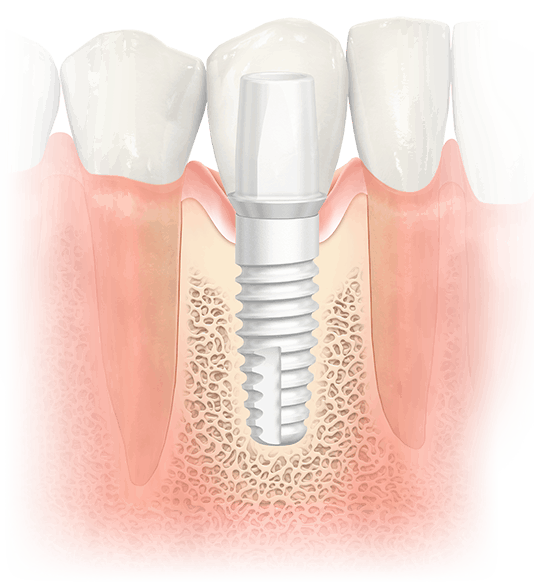
Dental implants are a great way to replace missing teeth. They are made of titanium or zirconia, which is a strong and durable material that bonds to your jawbone. This allows them to function and look just like natural teeth.

After you have dental implants, it is important to take good care of them. Here are some tips for caring for your dental implants:

  • Brush your teeth twice a day with a soft-bristled toothbrush and fluoride toothpaste. Be sure to brush around the implant posts.
  • Floss daily using a special type of floss designed for dental implants.
  • Use a mouthwash that contains fluoride.
  • Avoid chewing hard or sticky foods.
  • See your dentist for regular checkups and cleanings.

By following these tips, you can help to keep your dental implants healthy and looking their best for many years to come.

Here are some additional tips for caring for your dental implants:

  • Avoid smoking. Smoking can increase your risk of developing gum disease around your implants.
  • Eat a healthy diet. A healthy diet helps to keep your gums healthy and strong.
  • Get regular exercise. Exercise helps to improve your overall health, including your oral health.
  • See your dentist for regular checkups and cleanings. Your dentist can check your implants for any problems and clean around them to remove plaque and bacteria.

One of the most important points to keep in mind is to get your dental implants in La Mesa, CA done by a well-qualified dentist. Consider Dr. Chan and his team at SmileHaven Dental Center. Call us at (619) 464-2801 to have a conversation learn more.

How Can I Reduce My Fear of Dental Visits?

Many people experience worry and fear when going to the dentist. However, maintaining good dental health is crucial, and putting off going to the dentist might eventually result in more serious issues. Here are some suggestions to help lessen your fear of going to the dentist:

  1. Locate a dentist you can trust: Find a dentist who is polite, patient, and who makes you feel at ease when explaining the processes. Your anxiety can be significantly reduced if you get along well with your dentist.
  2. Communicate your fears: Let your dentist know about your fears and anxieties. They may be able to offer you options for sedation or pain management that can make your visit more comfortable.
  3. Distract yourself during the visit: Bring music or a podcast to listen to during the appointment. This can help take your mind off the procedure and make the time go by faster.
  4. Practice relaxation techniques: Deep breathing, visualization, and meditation can help you relax and reduce your anxiety. Practice these techniques before and during your appointment.
  5. Focus on the benefits: Remind yourself of the benefits of regular dental check-ups, such as preventing dental problems, maintaining good oral health, and catching any issues early on.
  6. Seek support: Talk to friends or family members who have had positive dental experiences, or join a support group for people with dental phobia.
  7. Gradual exposure: If the thought of a full dental appointment is too much, start with small steps like just sitting in the waiting room or just looking at the tools. Over time, gradually build up to a full appointment.

Keep in mind that going to the dentist is necessary for your general health, and there are things you can do to make it less traumatic. You may get the care you require and get over your dental phobia with the appropriate strategy.

Gum Disease Treatment

Periodontitis, another name for gum disease, is a widespread oral health issue that affects millions of individuals worldwide. It is brought on by the buildup of plaque and tartar on teeth, which causes gum irritation and infection. Gum disease can seriously harm the tissues, bones, and gums that support teeth if left untreated, which can result in tooth loss.

The stage and severity of gum disease will determine how it is treated. The following are a few of the typical gum disease treatments available:

  1. Scaling and Root Planing: During this comprehensive cleaning procedure, plaque and tartar from the teeth’s roots and surfaces are removed. A dental professional does this as the initial step in treating gum disease.
  2. Antibiotic Therapy: The infection may be managed with antibiotics, which can also help to lessen gum irritation. Both oral and topical applications as well as a combination of the two are possible.
  3. Gum Surgery: Surgery could be necessary in situations of severe gum disease to remove damaged tissue, clean the region, and encourage recovery.
  4. Lifestyle Changes: Improving oral hygiene habits, quitting smoking, and eating a balanced diet can help prevent gum disease from getting worse.

Gum disease must be treated as soon as feasible in order to prevent the illness’s progress and maintain good oral health. Regular dental checkups, cleanings, and good oral hygiene habits help prevent gum disease.

The tissues, bones, and gums that support teeth can suffer substantial damage from gum disease, which is a condition that is curable. As soon as you suspect gum disease, schedule a consultation with your dentist to discuss the best course of action for your unique circumstances.

Are Dental Implants Worth The Investment?

Dental implants in La Mesa look as real as your natural teeth whenever you compare them. If you have missing one or multiple teeth, you may feel hesitant to consider dental implants since they are pricey. However, despite being expensive, they are practical compared to other teeth procedures requiring high maintenance. At SmileHaven Dental Center, our team will discuss the cost of dental implant treatment during your free complimentary consultation with Dr. Stephen Chan.

Reasons Dental Implants Are Worth The Investment and Cost

Implants Prevent Bone Loss
When you have missing teeth, the chances of you getting jawbone atrophy are high. Your jawbone begins to shorten because the natural tooth roots are no longer there to support new growth. Dental implants that sit on top of the gums, like fixed bridges and removable partial dentures, do not prevent bone loss.

On the other hand, zirconia dental implants will function as teeth replacements when placed directly into the patient’s jawbone. With dental implants, the jaw can remain healthy and durable, so you can enjoy the foods you like whenever and wherever you want them.

Natural Teeth Are Unaffected by Dental Implants
Oral surgeons might have to remove healthy teeth before placing a complete denture. On the other hand, natural teeth are not affected by the implant surgery process—they’re precisely made to fill in the spaces created by lost teeth. So, when you choose dental implants, you are also preserving your dental health!

They Last a Lifetime
Dental implants are always successful when placed by a skilled oral surgeon. Moreover, adjustments are unnecessary, and caring for them is very convenient! You simply brush and floss your teeth as usual and visit your dentist regularly for check-ups. You can also save future dental expenses when choosing dental implants.

Improve Your Oral Health and Appearance
There are many good reasons to get dental implants, from an oral health and cosmetic point of view. Most patients prefer implants for their ability to enhance their looks because they look like natural teeth. They are also permanent, so you don’t have to worry about them sliding around when you eat or speak.

With dental implants, you’ll be able to improve your oral health. Since germs and bacteria lurk in areas near infected teeth, a new tooth will prevent further infection. Aside from allowing you to have healthy gums and teeth, they’re also easy to maintain and highly convenient.

They Are Amazingly Durable
Dental implants act as cavity-free teeth and do not just look like natural teeth for aesthetics. They are durable when adequately maintained through brushing and flossing. Dental implants can function like natural teeth “for the long run” if a skilled dentist places them. It’s as easy as brushing and flossing twice a day. Additionally, your new tooth can withstand the strain when you bite and chew on foods.

Contact SmileHaven Dental Center Today!

At SmileHaven Dental Center, we provide patients with a complimentary dental implant consultation and will discuss the cost of dental implant treatment. Call our La Mesa dental team today at (619) 464-2801 to schedule your metal-free dental implant consultation with Dr. Stephen Chan. We treat patients with dental implants from La Mesa, Tierrasanta, Santee, Mission Valley, El Cajon, Hillcrest, downtown San Diego, and from many areas throughout San Diego.